Key Takeaways
- The sewing machine evolved through more than 200 years of innovation.
- Early inventors helped develop the technology behind modern sewing machines.
- Household sewing machines made sewing faster and more accessible.
- Electric and computerized machines expanded creative possibilities.
- Richland Sewing Center has supported North Texas sewists through more than 40 years of sewing innovation.dance
First Stitch to Today
Explore Sewing History
Learning with Richland Sewing Center
Today, sewing machines can create decorative stitches, guide quilters through intricate projects, and even turn digital designs into detailed embroidery. It’s easy to forget just how remarkable that technology would have seemed only a few generations ago.
The sewing machine didn’t appear overnight, and no single inventor can take credit for everything we recognize in a modern machine. Instead, its history spans more than two centuries and includes inventors who continually improved on earlier ideas.
From early mechanical experiments to today’s computerized machines, here’s a brief look at how the sewing machine became the most important tool in the sewing room.
817-590-4447
Where Did the Sewing Machine Begin?
For centuries, sewing meant sewing by hand. As textile production increased, inventors began searching for a way to mechanize the process.
One of the earliest important steps came in 1790, when English cabinetmaker Thomas Saint received a patent for a machine designed to stitch materials such as leather. Historians aren’t certain that Saint ever actually built the machine described in his patent, but his design represents one of the earliest documented attempts at mechanical sewing.
And Saint was only the beginning.
During the early 1800s, inventors throughout Europe and the United States experimented with different needles, feeding mechanisms, and methods for forming stitches.
The First Practical Sewing Machines
A breakthrough arrived in France in 1830, marking a pivotal moment as the first practical sewing machine that influenced future designs.
French tailor Barthelemy Thimonnier patented a mechanical sewing machine that used a hooked needle to produce a chain stitch. Unlike many earlier experiments, Thimonnier’s machine was used in practice. His machines were used in a workshop producing military clothing.
But not everyone welcomed the new technology.
Accounts of Thimonnier’s story describe tailors fearing that mechanical sewing would threaten their livelihoods, and his workshop was eventually attacked. The reaction shows how disruptive mechanized sewing seemed at the time.
Elias Howe and the Lockstitch
The next major chapter took place in the United States.
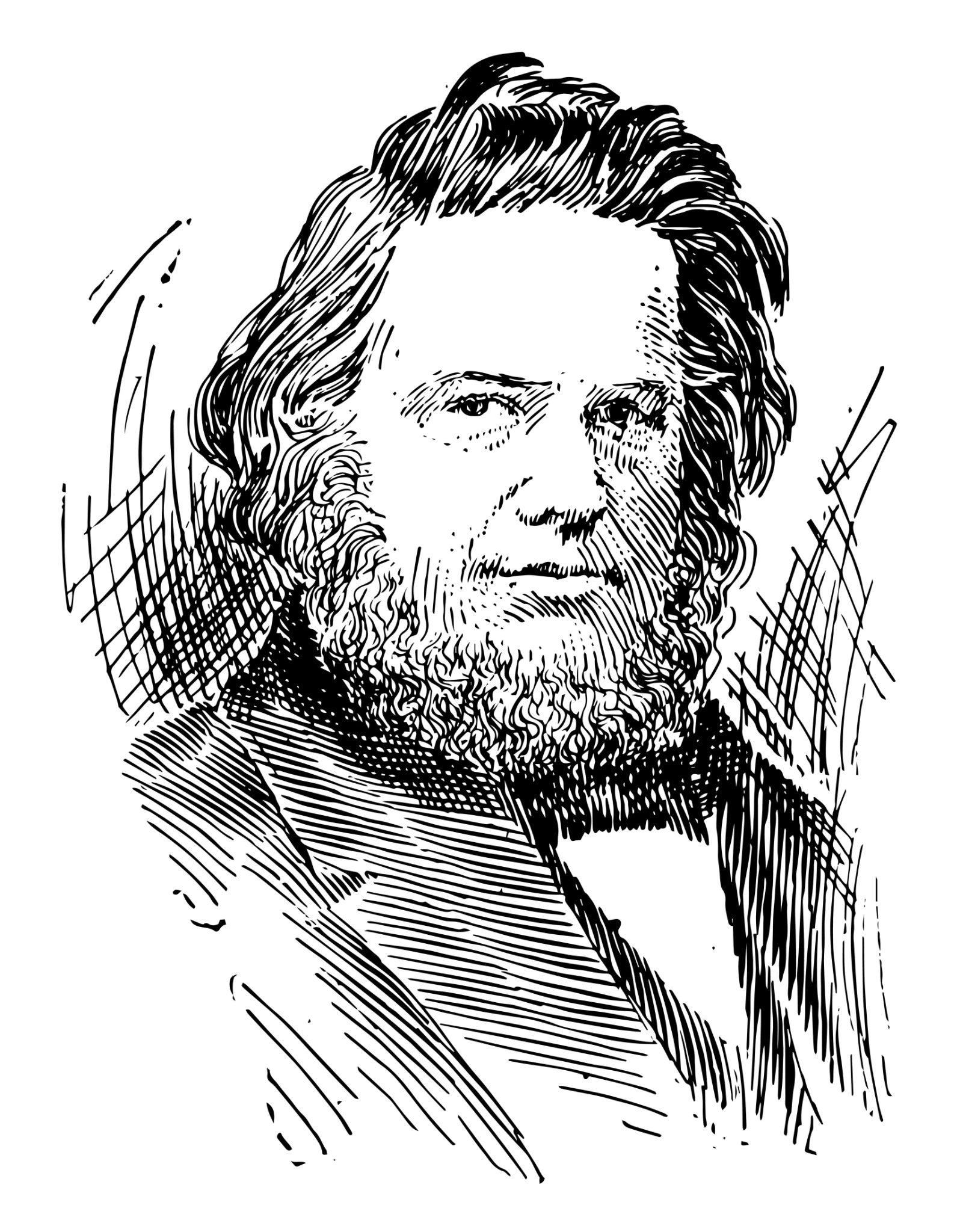
Elias Howe developed a machine that used an eye-pointed needle and shuttle to create a lockstitch, revolutionizing sewing with interlocked threads.
Howe received U.S. Patent No. 4,750 for his sewing machine in 1846. His design incorporated several principles that would become fundamental to later sewing machines, including the eye-pointed needle, shuttle, and automatic feed.
His machine could also sew remarkably quickly for its time. According to the Library of Congress, Howe demonstrated a machine capable of around 250 stitches per minute.
But developing the technology was only part of the challenge. Making sewing machines practical, affordable, and commercially successful required even more innovation.
Isaac Singer Helps Bring the Sewing Machine Into the Mainstream
Isaac Merritt Singer is one of the names most closely associated with sewing-machine history, but he did not invent the sewing machine.
Instead, Singer built upon earlier developments.
In 1851, he patented a sewing machine that incorporated improvements, including a vertical needle working over a horizontal sewing surface. Singer also proved particularly successful at turning the sewing machine into a commercial product.
The rapidly growing industry led to significant patent disputes. Howe successfully defended key elements of his patent, and in 1856 Howe and several major manufacturers, including Singer, joined the Sewing Machine Combination. This early patent pool let manufacturers share essential sewing-machine technology.
As a result, the industry could increasingly focus on building and selling better machines.
Sewing Machines Come Home
As sewing-machine technology improved, the machine gradually moved beyond factories and commercial workshops and into people’s homes.
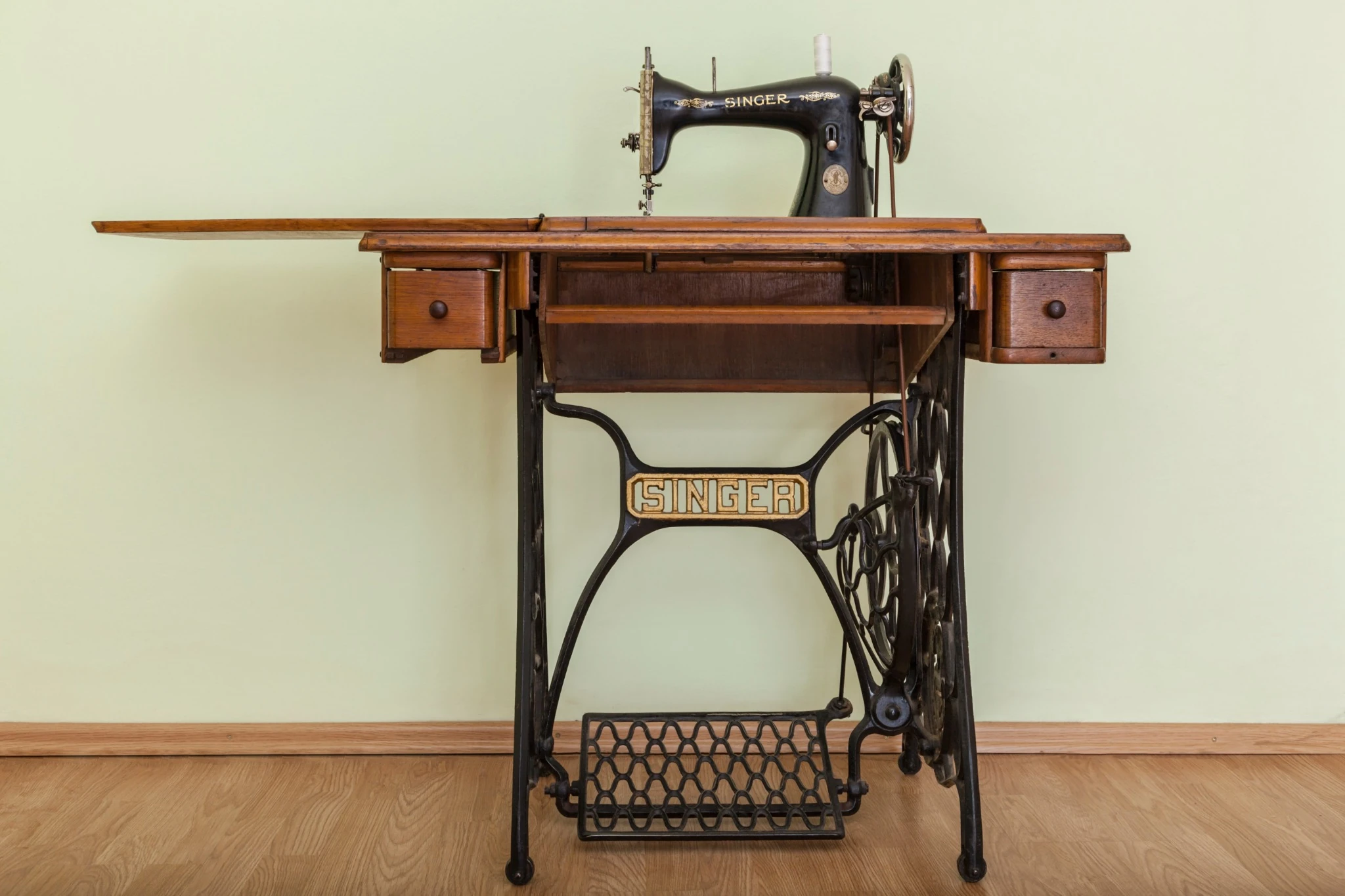
Hand-crank and treadle machines gave home sewists a way to operate a machine without electricity. Sewing clothing, repairing garments, piecing quilts, and creating household items could be accomplished much more efficiently than sewing everything entirely by hand.
By the late 1800s, numerous manufacturers competed for household customers, and sewing machines became an increasingly familiar part of everyday life. Smithsonian collections preserve catalogs and advertising from this growing sewing-machine industry.
From Treadles to Electricity
The sewing machine continued evolving throughout the 20th century.
Electric motors eventually eliminated the need to power a machine by hand crank or treadle. Manufacturers continued introducing new features and specialized capabilities, making machines easier to operate and giving sewists more creative options.
Over time, machines offered more stitch choices, improved speed control, automatic functions, and increasingly specialized tools for garment sewing, quilting, and decorative work.
The evolution continues today with ongoing innovations, sparking curiosity and excitement about what the future holds for sewing technology.
The Computerized Sewing Machine
The shift from mechanical to computerized sewing machines reflects remarkable progress, making sewists feel a sense of achievement in technological advancement.
Instead of relying entirely on mechanical controls, sewists could select stitches electronically and use increasingly sophisticated automated features. Modern machines can offer digital displays, programmable stitch combinations, automatic adjustments, and advanced embroidery capabilities.
Today’s technology would be almost unrecognizable to the inventors experimenting with mechanical stitching in the 1800s. But the basic goal hasn’t changed very much.
We’re still trying to join pieces of fabric together with thread. We’ve simply gotten much better at it.
Serving Sewists Throughout North Texas
Richland Sewing Center is proud to serve sewists throughout Hurst, Bedford, Euless, Grapevine, Colleyville, Southlake, Fort Worth, and the greater DFW area.
For more than 40 years, we’ve helped customers find inspiration, learn new skills, maintain their machines, and enjoy the creative process that makes sewing such a rewarding hobby.
Join the Richland Sewing Club Today
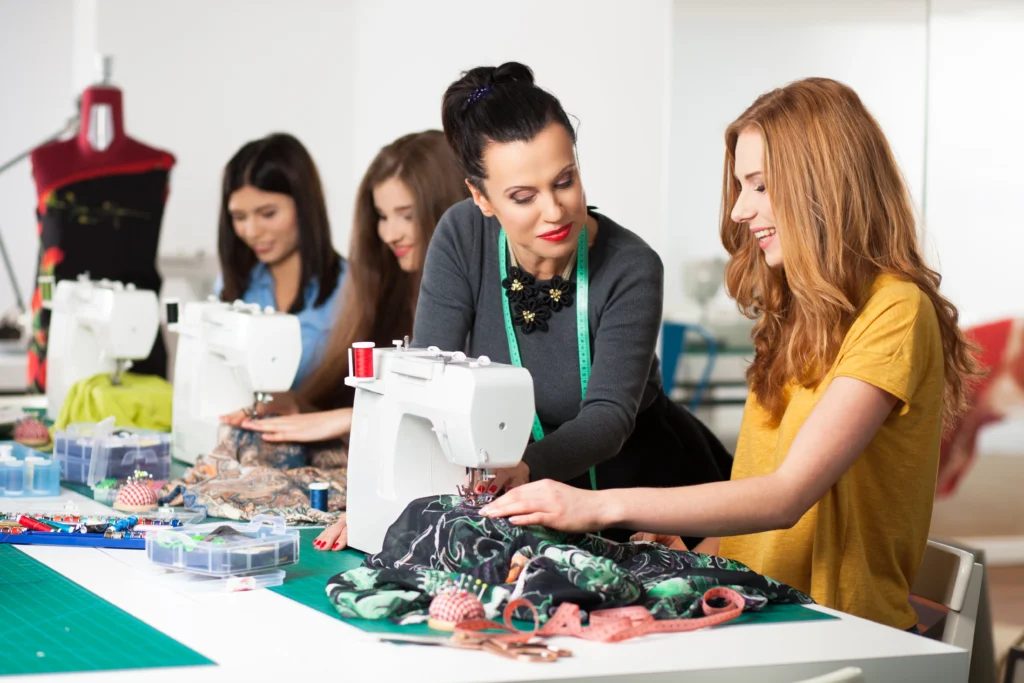
Creating is even more enjoyable when you share it with others who love the craft. The Richland Sewing Club brings together local sewists from across North Texas to learn, share ideas, and stay inspired.
Members enjoy our Club discount on a wide selection of in-store sewing notions, early access to classes, and the opportunity to connect with fellow makers, discover new tools and techniques, and stay up to date on what’s happening at the shop.
If you’re looking to build your skills and join a welcoming sewing community, stop by Richland Sewing Center and ask about joining the Richland Sewing Club. You can also message us or call today.
Keep learning with Richland Sewing Center
For more than 40 years, we’ve helped sewists throughout Hurst and North Texas choose machines, learn how to use them, and keep them running properly.
During that time, sewing machines have changed tremendously. Touchscreens and computerized features have increasingly joined mechanical controls, while quilting and embroidery technology has opened entirely new creative possibilities.
Call or Visit Us Today
817-590-4447